Autism Awareness: How Multi-Sensory Items Can Support Everyday Life
Autism Spectrum Disorder (ASD) affects how a person experiences and interacts with the world around them. Every autistic individual is unique, with their own strengths, preferences, and sensory needs. While some people are highly sensitive to sounds, lights, or touch, others may actively seek sensory input to help them feel calm and focused.
What Are Multi-Sensory Items?
Multi-sensory items are specially designed products that provide different types of sensory input, such as touch, movement, light, sound, or visual stimulation.
They can help some autistic individuals regulate their emotions, improve focus, reduce stress, or simply provide comfort during everyday activities.
Examples of multi-sensory items include:
Fidget toys and sensory tools
Weighted blankets or lap pads
Sensory cushions and seating aids
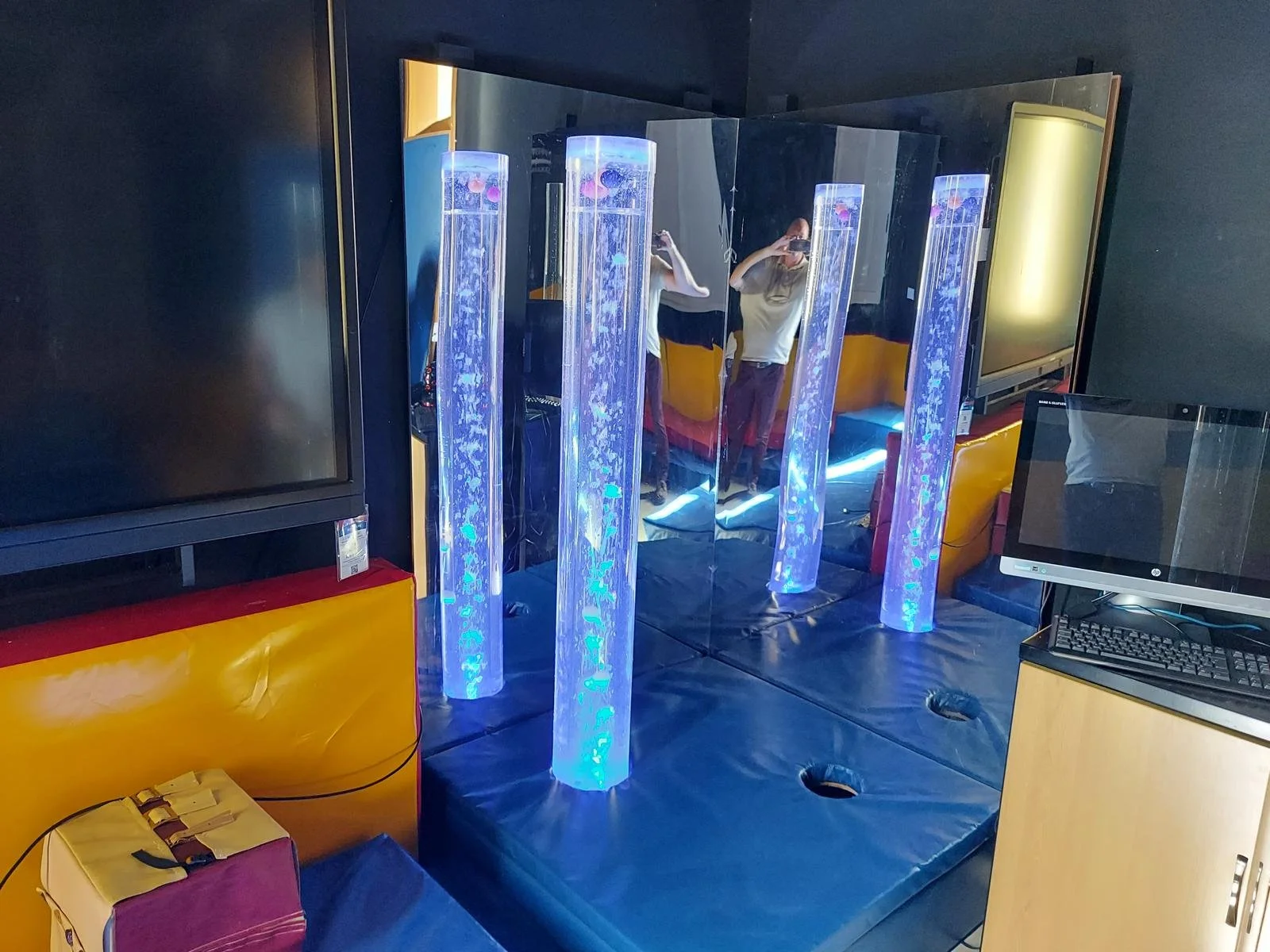
Bubble tubes and fibre optic lighting
Tactile toys with different textures
Different people respond to different sensory experiences, so there is no single product that works for everyone.
Who Can Benefit?
Multi-sensory items may be helpful for:
Children and adults on the autism spectrum
Individuals with sensory processing difficulties
People who benefit from additional sensory input to stay calm or focused
These products are not a medical treatment, but they can form part of a supportive daily routine alongside guidance from parents, carers, teachers, or healthcare professionals.
When Can Multi-Sensory Items Be Used?
Many families, educators, and caregivers use sensory products during everyday activities, such as:
Quiet time or relaxation
Learning or homework
Travelling
Waiting in busy environments
Bedtime routines
Moments of stress or sensory overload
Using the right sensory item at the right time may help some individuals feel calmer, more comfortable, and better able to engage with their surroundings.
What Is a Multi-Sensory Room?
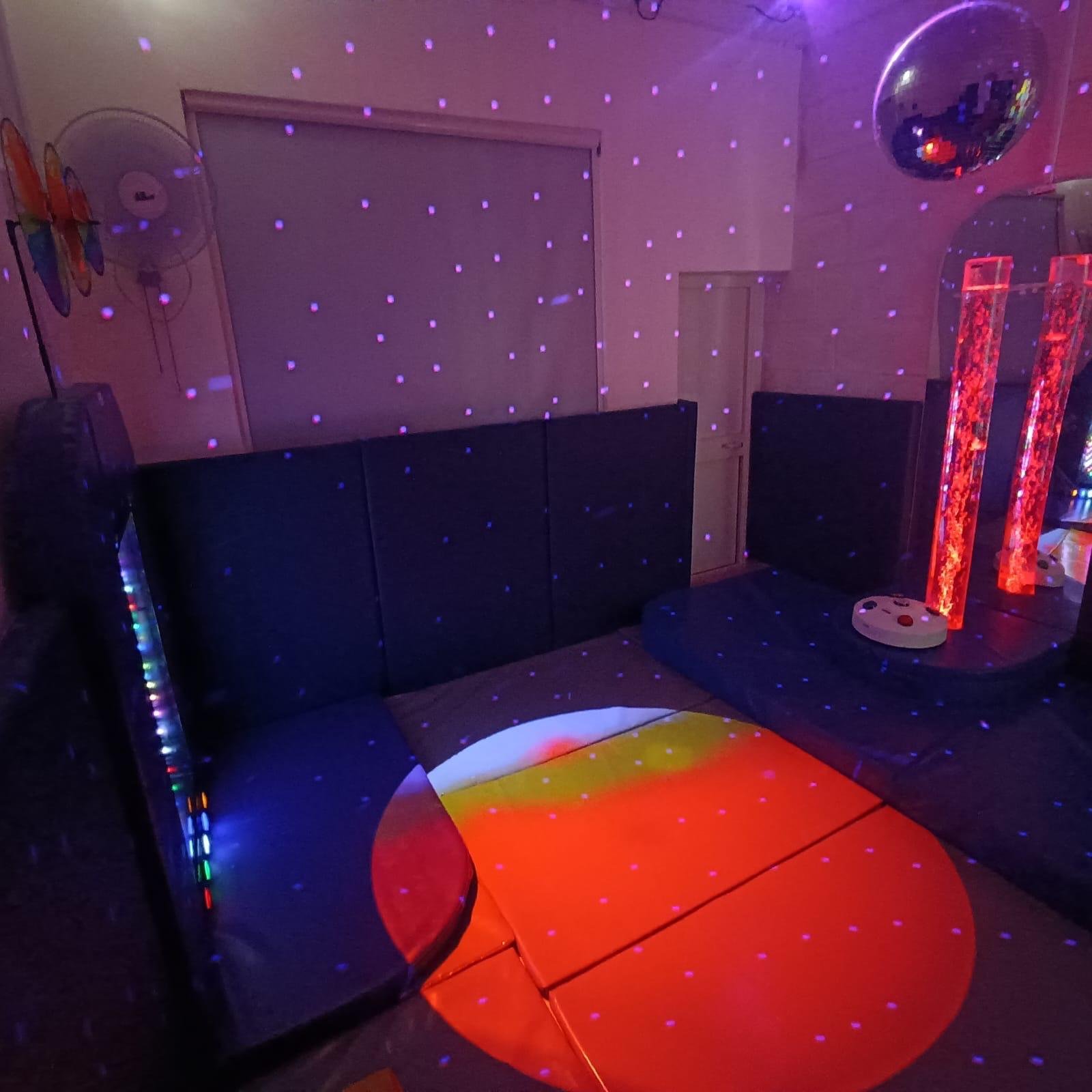
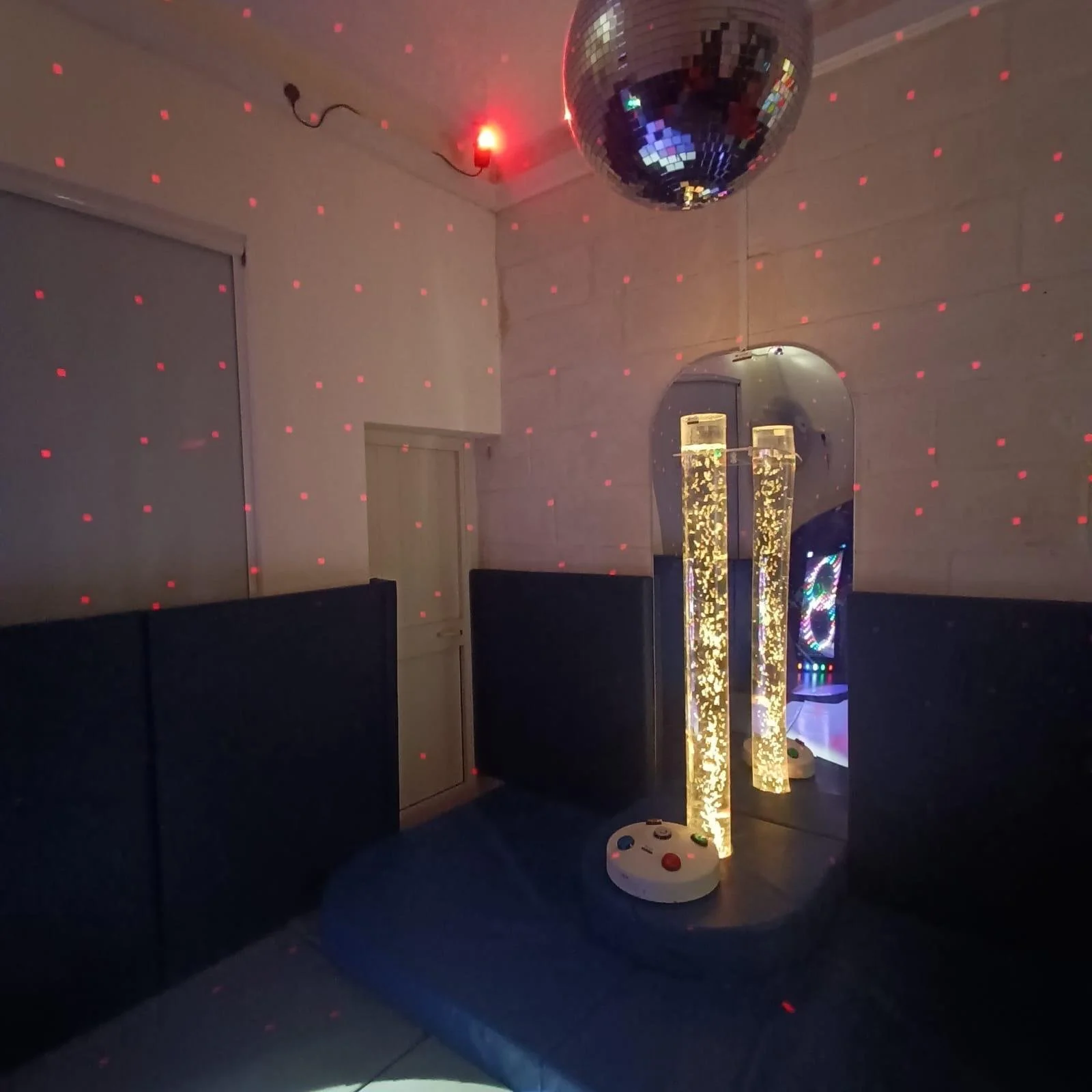
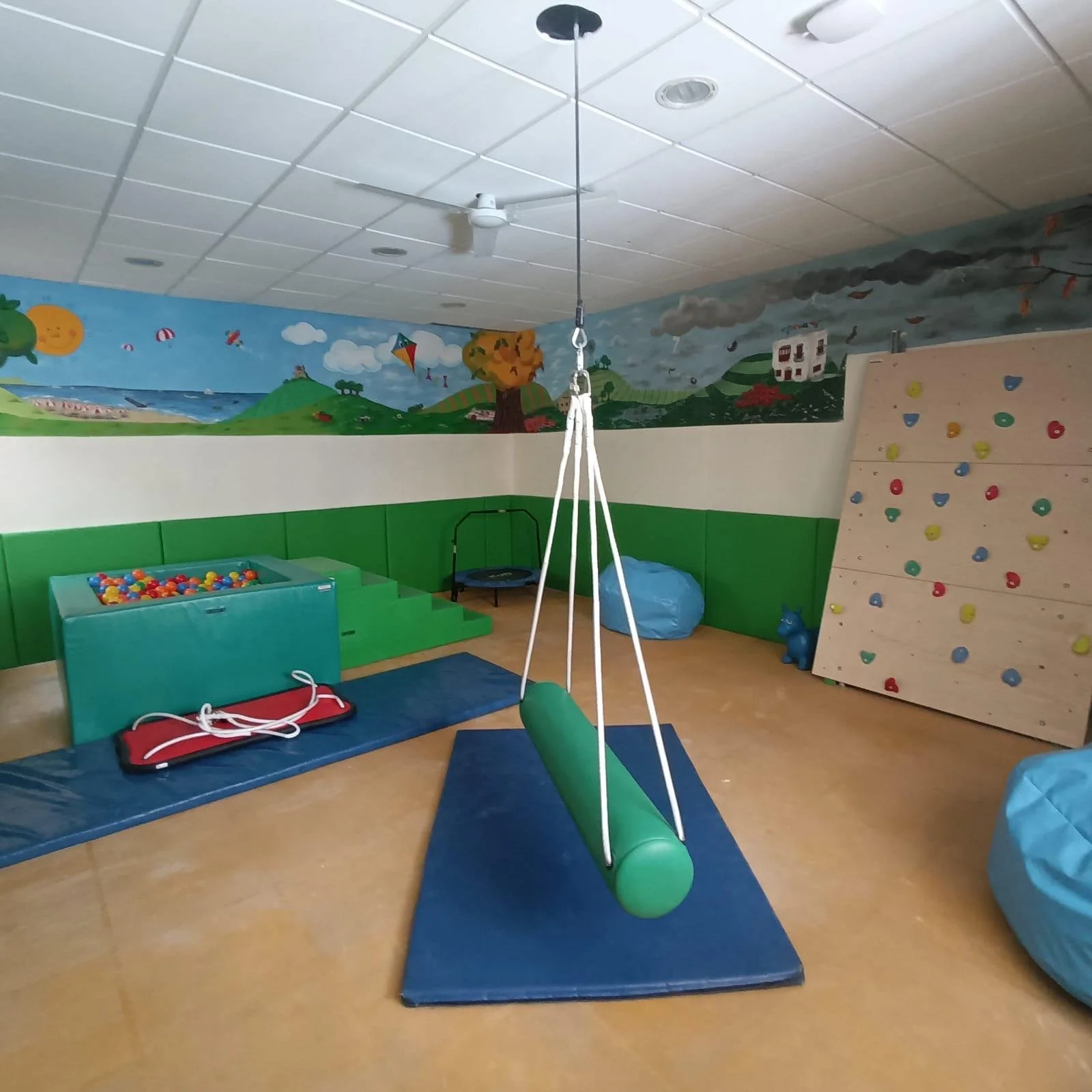
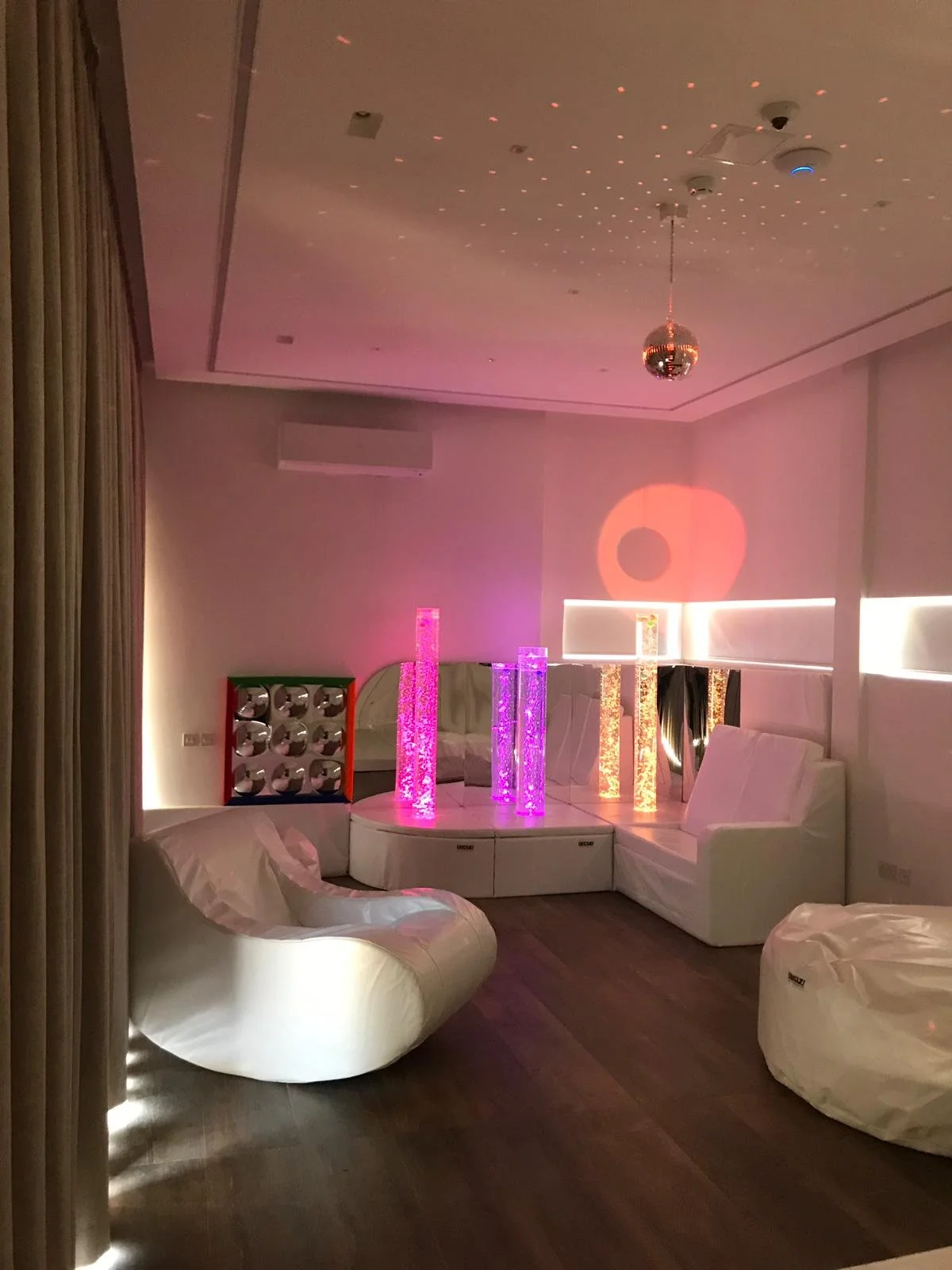
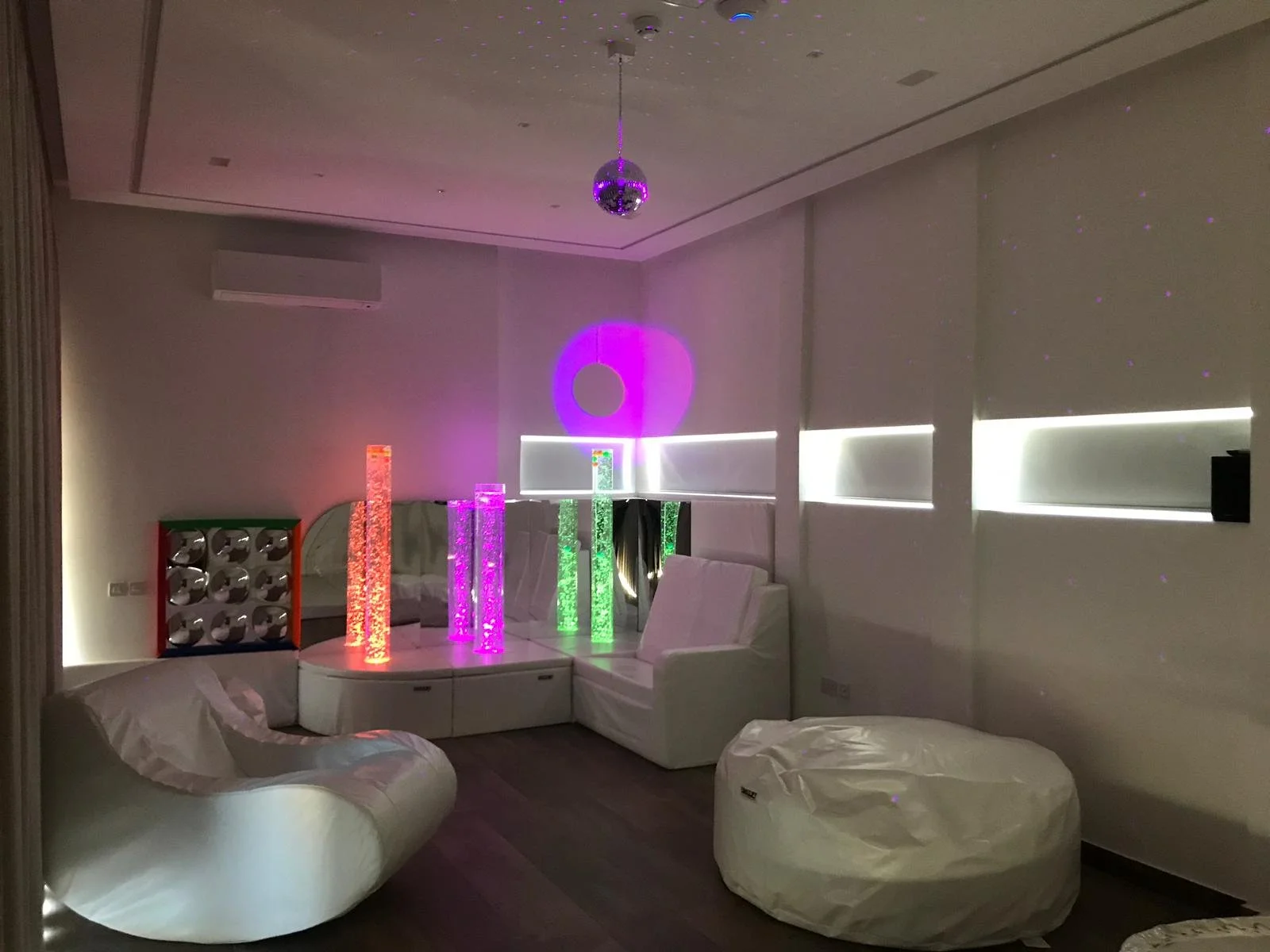
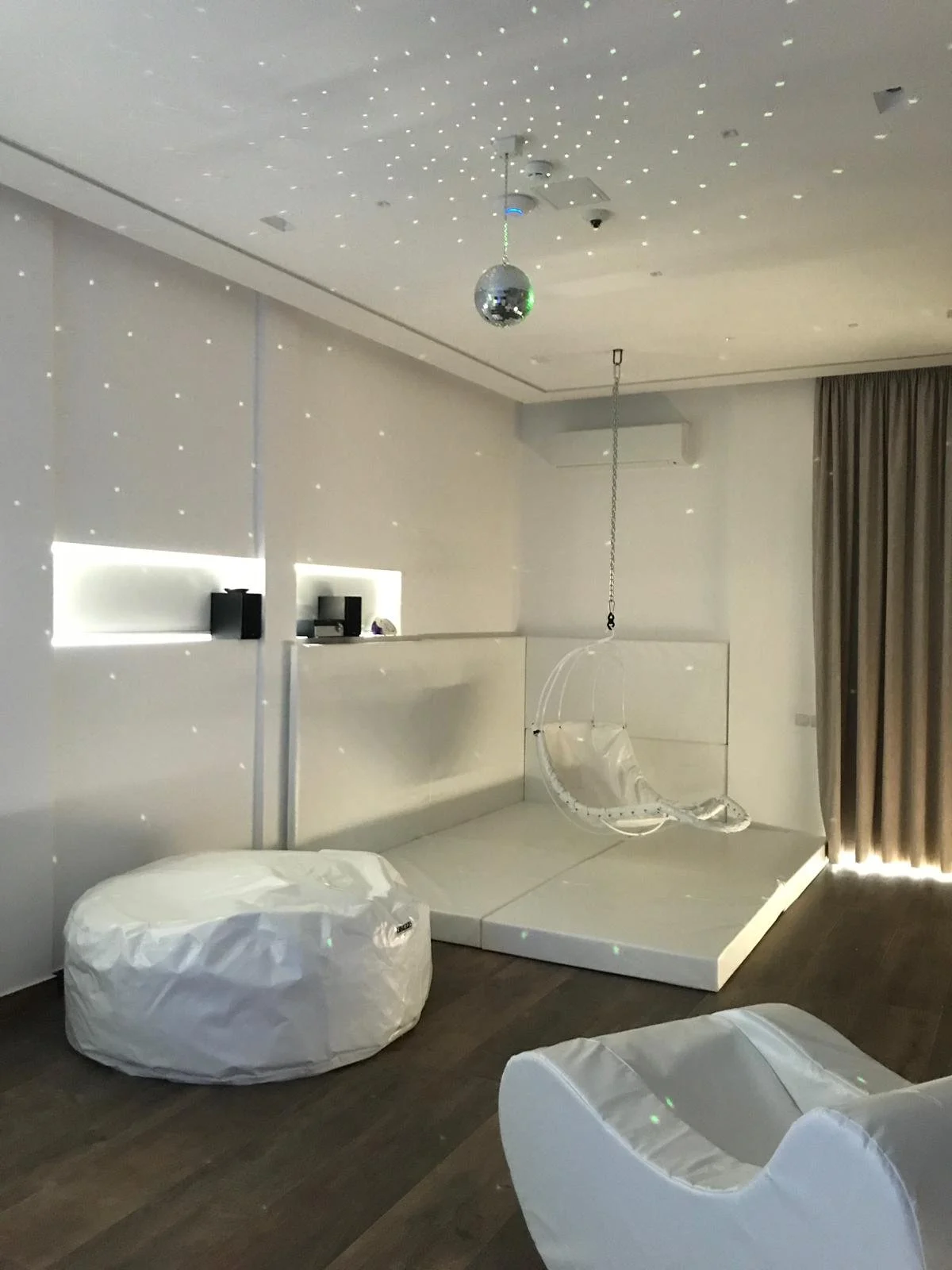
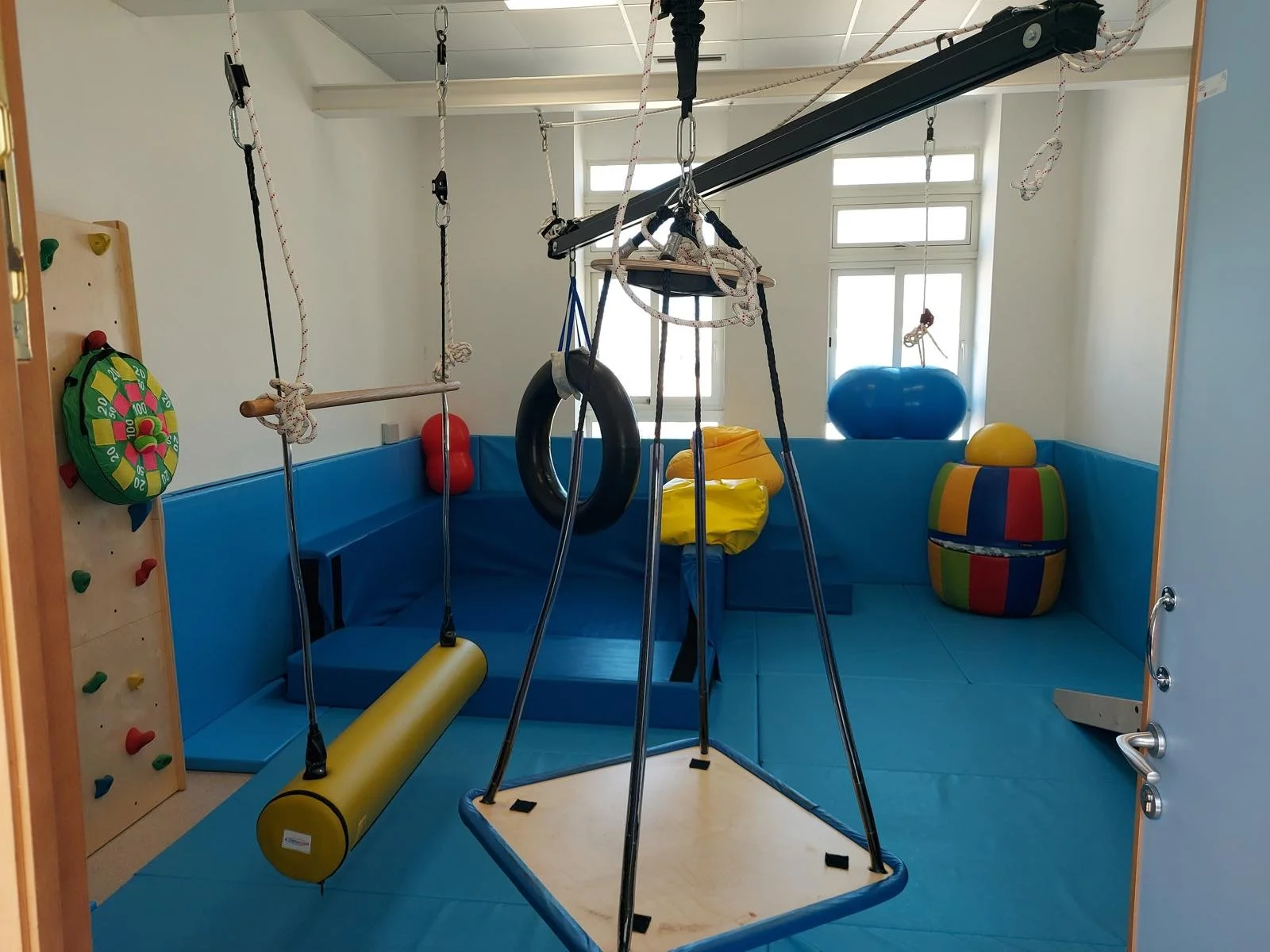
A multi-sensory room is a carefully designed space that combines a range of sensory equipment to create a calming, engaging, and supportive environment. These rooms can be tailored to meet the needs of children and adults with autism, sensory processing difficulties, learning disabilities, or other additional needs.
A sensory room may include:
Bubble tubes and fibre optic lighting
Interactive lighting and projection systems
Soft seating and padded flooring
Tactile wall panels and activity boards
Calming sounds and music
Sensory swings and other therapeutic equipment